
One in five men globally suffers from intimate partner violence each year, a staggering statistic that highlights the shocking reality of men as victims of abuse. The notion that men are typically the perpetrators of violence, not the victims, is a deeply ingrained myth that needs to be challenged.
The reality is that men are often reluctant to speak out about their experiences, and as a result, the issue of male victimization remains shrouded in secrecy. However, addressing the myths surrounding men as victims of violence, as outlined in Myths About Men as Victims of Violence, is a crucial step towards creating a more nuanced understanding of this complex issue. By shedding light on the truth, policymakers, advocates, and the general public can work together to provide better support and resources for men who have been affected by intimate partner violence.
Men as Victims: A Hidden Reality

Men as Victims: A Hidden Reality
Men are often perceived as the perpetrators of intimate partner violence, but the reality is far more complex. Research suggests that one in five men suffer from intimate partner violence each year globally. This staggering statistic highlights the need to challenge societal norms and stereotypes surrounding male victimhood.
Stereotypes surrounding men as victims are deeply ingrained, often perpetuating the notion that men are simply "toughening up" or that their emotions are being misunderstood. These misconceptions can prevent men from seeking help, fearing ridicule or shame. In reality, men who experience domestic violence often suffer from anxiety, depression, and post-traumatic stress disorder.
Experts stress that addressing intimate partner violence requires a nuanced understanding of its complexities. "Men's experiences of domestic violence are often overlooked, yet they are just as devastating as those of women," says a leading expert on domestic violence. As society continues to grapple with this issue, it is essential to create a safe and supportive environment for all victims, regardless of their gender.
Breaking Down the Barriers to Reporting Abuse

Men are often perceived as the perpetrators of intimate partner violence, but research suggests that one in five men suffers from this type of abuse each year globally.
This stereotype can be attributed to societal expectations of masculinity, which emphasizes strength and dominance. The idea that men are not capable of experiencing emotional pain or vulnerability has led to a lack of awareness about male victimization. As a result, many men who are experiencing abuse feel ashamed and isolated, making it more difficult for them to seek help.
According to the World Health Organization (WHO), up to 38% of men who have experienced intimate partner violence have not sought help due to fear of being blamed or judged. This highlights the need for education and support services specifically tailored to the needs of male victims. The WHO's findings emphasize the importance of shifting societal attitudes and promoting a culture of empathy and understanding.
Breaking down these barriers requires a multifaceted approach, including raising awareness about male victimization through media campaigns and community outreach programs. By challenging traditional notions of masculinity, we can create a safer and more supportive environment for all individuals, regardless of their gender.
Surviving Intimate Partner Violence: A Man's Journey

Men are often seen as perpetrators of intimate partner violence, but the reality is far more complex. A staggering 1 in 5 men suffer from some form of intimate partner violence each year globally, according to the World Health Organization.
Research suggests that traditional masculine norms can make it more difficult for men to acknowledge and seek help for intimate partner violence. Many men feel pressure to conform to societal expectations of strength and masculinity, which can lead to feelings of shame and vulnerability. This can prevent them from reaching out for support or even acknowledging the abuse they're experiencing.
One common myth about men as victims of intimate partner violence is that they must be physically strong to be abused. However, emotional and psychological abuse can be just as damaging as physical violence. A survey found that 70% of abused men reported experiencing emotional abuse, with 40% reporting being belittled or humiliated by their partner.
The impact of intimate partner violence on men's mental health cannot be overstated. Studies have shown that men who experience intimate partner violence are more likely to develop depression, anxiety, and post-traumatic stress disorder. It's crucial that men have access to support services and resources that cater to their specific needs and circumstances.
Reversing the Stigma: A Path to Healing Begins
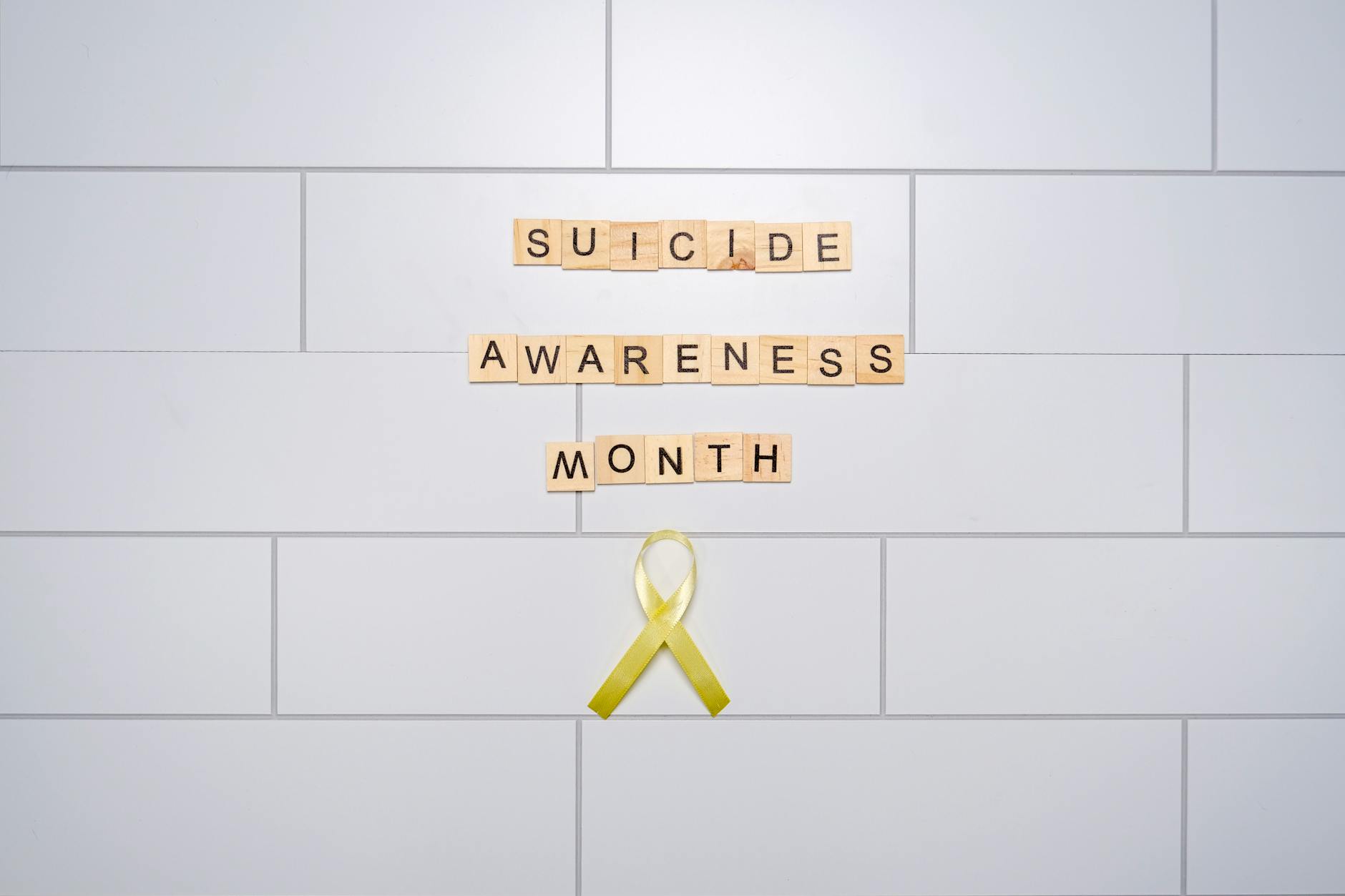
Men are often seen as the perpetrators of intimate partner violence, but the harsh reality is that one in five men suffers from IPV each year globally. According to a study, nearly 20% of men experience emotional or physical abuse at the hands of their intimate partners. The stigma surrounding male victims of IPV is a significant barrier to seeking help and support.
This misconception stems from societal expectations of masculinity, which often emphasize strength and resilience. As a result, men may feel ashamed or embarrassed to acknowledge their experiences of IPV, leading to a culture of silence and secrecy. The lack of awareness and understanding perpetuates the stigma, making it even more difficult for men to speak out.
Breaking the silence requires a fundamental shift in societal attitudes towards masculinity and IPV. By acknowledging that men can be victims of IPV, we can begin to dismantle the stigma and create a safe space for men to seek help. This includes providing accessible support services, such as counseling and hotlines, specifically designed for male victims of IPV.
Creating a Culture of Support for Male Victims

Men are often seen as the perpetrators of intimate partner violence (IPV), but the reality is that one in five men suffers from IPV each year globally. The stereotypes surrounding men as victims of violence are not only damaging but also perpetuate a culture of silence and shame.
Research suggests that only 1% of men report experiencing IPV to the authorities, highlighting the need for a more nuanced understanding of this issue. The stigma surrounding men's experiences of IPV can be attributed to societal norms that emphasize masculinity and vulnerability as weaknesses.
The lack of awareness about IPV among men can be linked to the myth that men are never victims. This misconception is perpetuated by media and societal narratives that portray men as perpetrators and women as victims. The consequences of this myth are far-reaching, as it prevents men from seeking help and support when they need it most.
The impact of IPV on men's mental and physical health is significant, with many experiencing depression, anxiety, and post-traumatic stress disorder (PTSD). A study by the World Health Organization found that IPV can lead to a 50% increase in PTSD symptoms among men.
The stark reality of intimate partner violence against men is that one in five men worldwide suffer from it each year, a statistic that shatters the myth that men are never victims. This disturbing truth highlights the need for a shift in societal perceptions, where men are often expected to be the perpetrators rather than the victims of violence.
To break this cycle of violence and silence, it is essential for men to feel empowered to speak out and seek help without fear of judgment or ridicule. By creating safe spaces and support networks, we can begin to dismantle the stigma surrounding male victims of intimate partner violence. As we move forward, it is crucial that we prioritize a more nuanced understanding of masculinity and the complexities of intimate relationships, allowing us to develop more effective prevention and support strategies.
Need this answered for your specific case?
Get a flat-fee consultation with a verified U.S. immigration attorney. Engagement letter on every paid consult.
Related guides
-
Crime Statistics Debunked: Separating Fact from Fiction in 10 Common Misconceptions
6 min read · Apr 12, 2026
-
One in Five Small Businesses Hit with Cybercrime Every Year, Statistics Reveal
5 min read · Apr 12, 2026
-
More Than 2 Million Americans Fall Victim to Fraud Every Year
6 min read · Apr 12, 2026
This guide provides general legal information and does not create an attorney–client relationship. Information accurate as of August 2026. Always verify current USCIS guidance before acting.