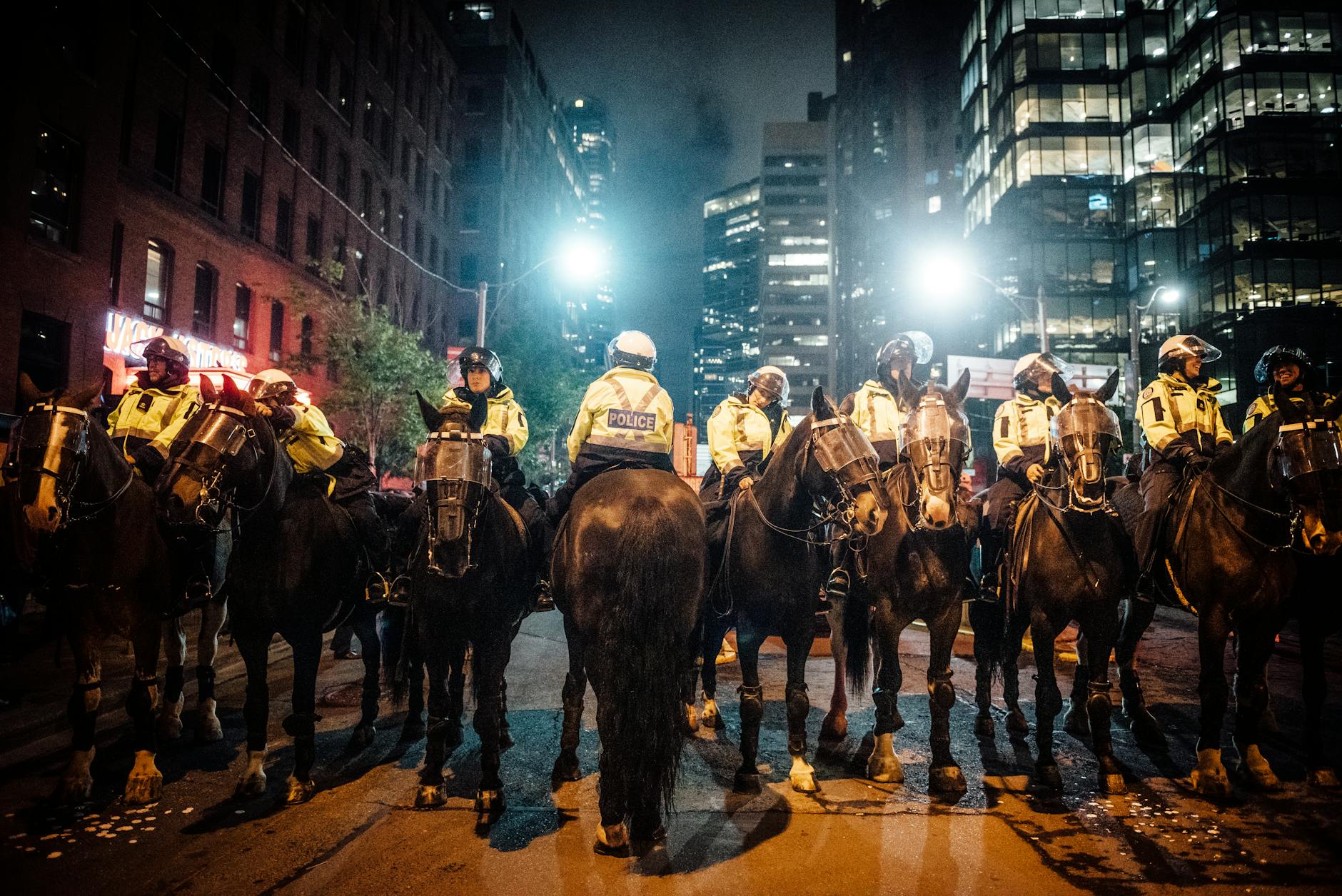
Crowd control incidents have surged by 40% in the past decade, highlighting the critical role of police powers in maintaining public order. These powers, often referred to as crowd control police powers, are a set of legal authorities granted to law enforcement agencies to manage and control large gatherings. They are essential tools in preventing violence, protecting property, and ensuring public safety during protests, riots, or other large-scale events.
Understanding what is crowd control police power is crucial for citizens, activists, and law enforcement alike. These powers encompass a range of actions, from using non-lethal weapons to imposing curfews and making mass arrests. What is crowd control police power, however, varies by jurisdiction, with different countries and regions having distinct laws and regulations. This variability means that what is permissible in one place may be prohibited in another, making it essential for individuals to be aware of their rights and the specific powers granted to police in their area.
Origins of police crowd control authority
The authority of police to control crowds traces back to early civilizations, where maintaining public order was essential for societal stability. Ancient Rome, for instance, employed the vigiles to manage crowds during public events and emergencies. This early form of crowd control laid the groundwork for modern policing strategies, emphasizing the need for organized public safety measures.
A significant evolution occurred during the Industrial Revolution. Rapid urbanization led to larger gatherings, often resulting in riots or protests. Governments responded by formalizing police powers to disperse crowds and prevent unrest. The British Metropolitan Police Act of 1839, for example, granted police the authority to control public assemblies, setting a precedent for other nations. This period marked a shift from informal crowd management to structured, legal frameworks.
In the United States, the origins of police crowd control authority are deeply rooted in the 19th century. The rise of labor movements and civil rights protests necessitated clear guidelines for police intervention. According to a study by the National Institute of Justice, police departments began adopting specialized units and tactics to handle large gatherings effectively. These developments underscored the importance of balancing public safety with individual rights, a principle that continues to shape crowd control policies today.
Modern crowd control authority is built on a foundation of historical precedents and legal advancements. Police departments worldwide draw from these origins to develop strategies that address contemporary challenges. The evolution of crowd control reflects broader societal changes, highlighting the dynamic nature of law enforcement's role in maintaining public order.
Legal foundations and limitations

The legal foundations of crowd control police powers stem from various laws and regulations designed to maintain public order. These powers typically derive from statutes that grant law enforcement agencies authority to manage gatherings, protests, and other public events. Police departments often operate under specific guidelines that outline when and how they can use crowd control measures. According to a report by the International Association of Chiefs of Police, these measures must always align with constitutional rights and civil liberties.
Limitations on police powers are crucial to prevent abuse and ensure accountability. Courts have consistently ruled that police actions must be proportionate to the threat posed by the crowd. This means officers cannot use excessive force or infringe on individuals' rights without just cause. For instance, the use of tear gas or batons is generally reserved for situations where there is an immediate threat to public safety. Police departments must also adhere to training standards and protocols to ensure their actions are lawful and justified.
Public trust is another significant factor in the legal framework of crowd control. Police agencies must balance their duty to maintain order with the need to respect the rights of demonstrators. Failure to do so can lead to legal challenges and public backlash. A study by the National Institute of Justice found that transparency and clear communication between police and the public can significantly reduce conflicts during crowd control situations. This highlights the importance of well-defined legal parameters and consistent enforcement of these guidelines.
Techniques and tools in action

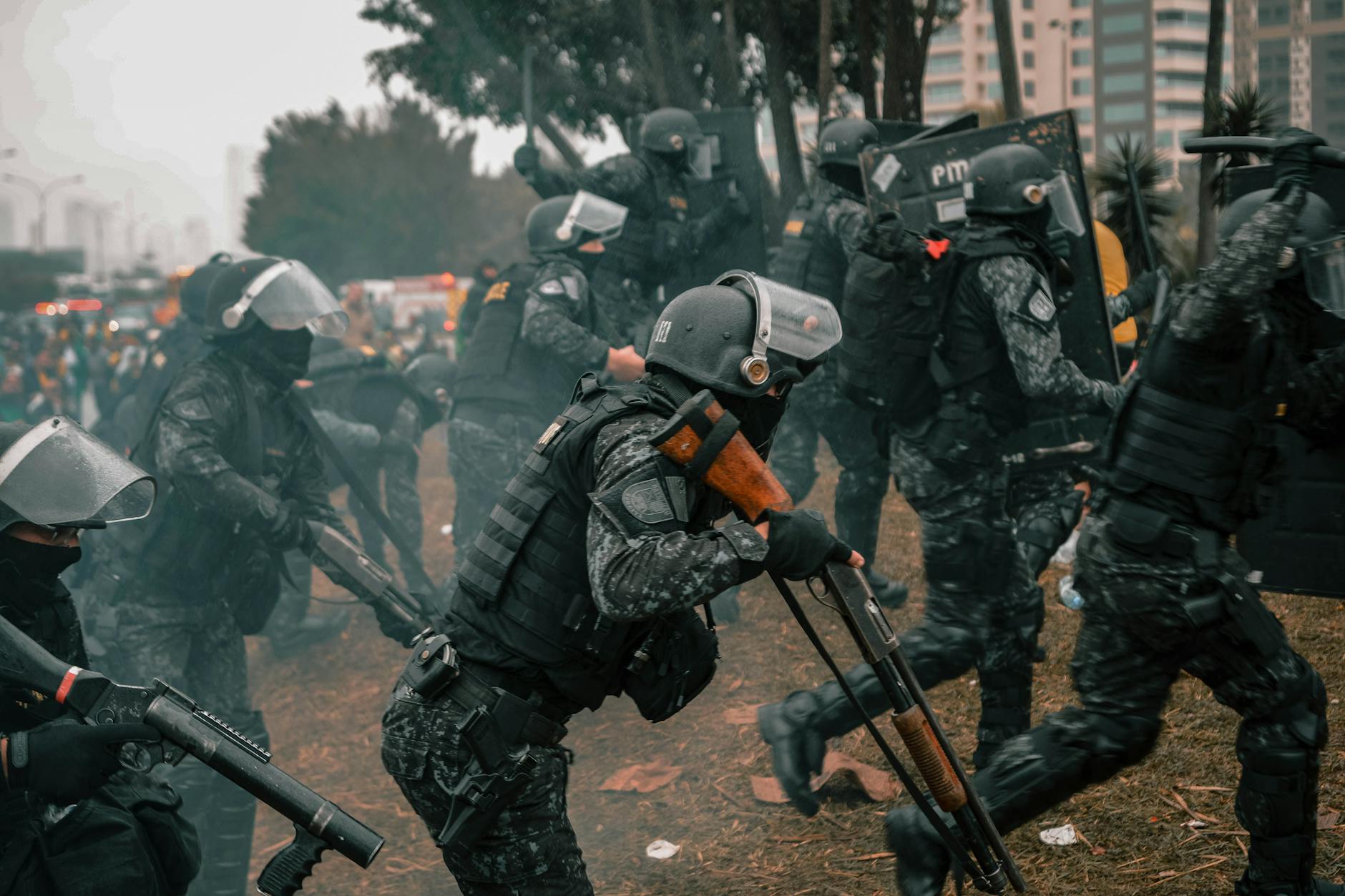
Police forces employ a range of techniques and tools to manage crowds effectively. One common approach is the use of non-lethal weapons, such as batons, pepper spray, and rubber bullets. These tools allow officers to maintain control without causing serious injury. According to a report by the International Association of Chiefs of Police, proper training in the use of these tools can significantly reduce the risk of escalation.
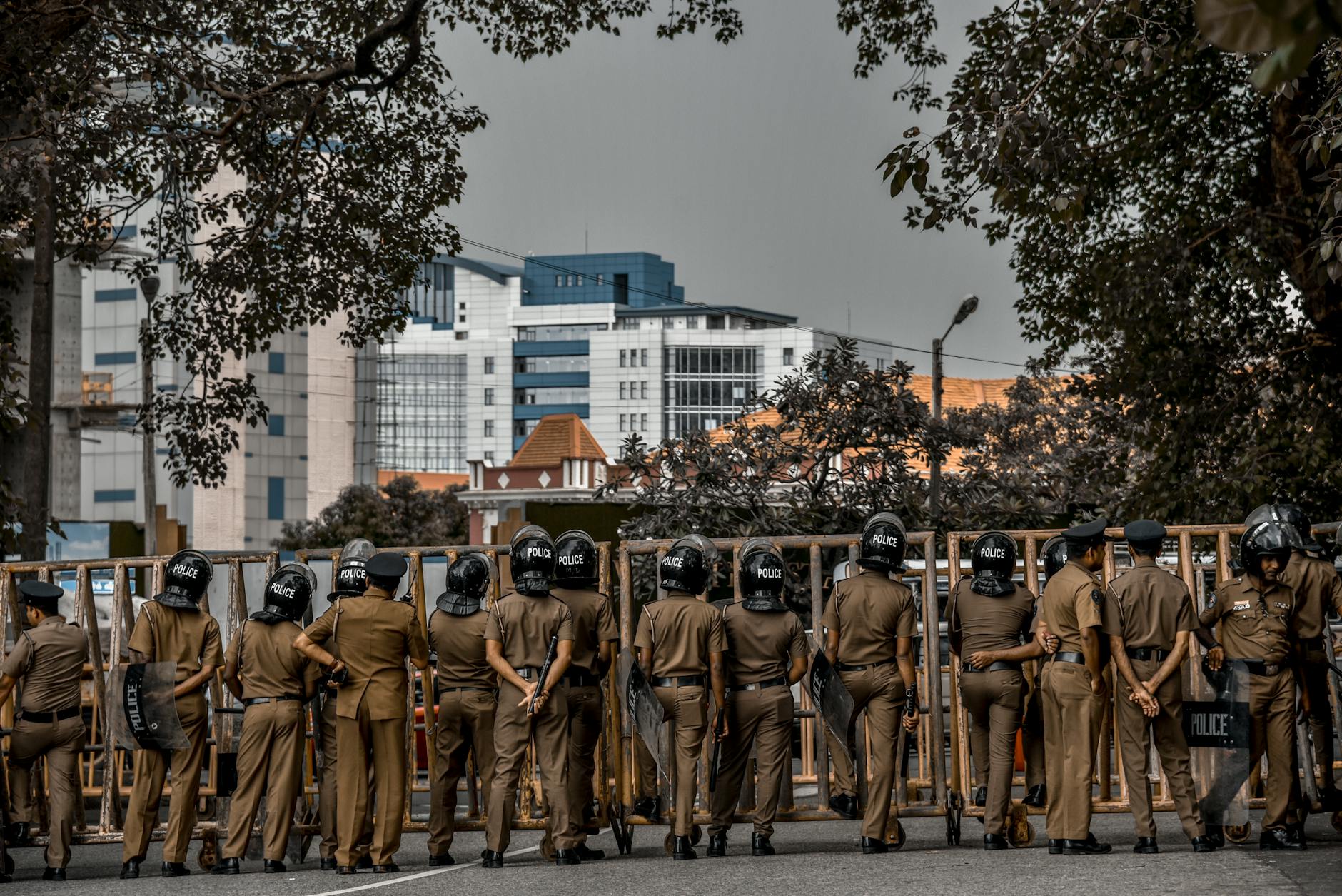
Physical barriers and crowd control formations also play a crucial role. Police often use metal barriers to create designated areas and guide the flow of people. Officers may form lines or circles to contain and manage crowds, ensuring that individuals do not become trapped or trampled. These formations are particularly useful during large-scale events, such as protests or concerts.
Communication is another vital aspect of crowd control. Police use loudspeakers, sirens, and even social media to disseminate information and instructions. Clear and consistent communication helps to prevent misunderstandings and reduces the likelihood of violent confrontations. Experts emphasize the importance of transparency and empathy in police communications to build trust with the public.
In some situations, police may need to employ more advanced tools, such as drones or surveillance cameras. These technologies provide real-time monitoring and data collection, enabling officers to anticipate and respond to potential threats. However, the use of such tools must be balanced with concerns about privacy and civil liberties. Striking this balance is essential for maintaining public trust and ensuring the effectiveness of crowd control efforts.
Balancing public safety and rights
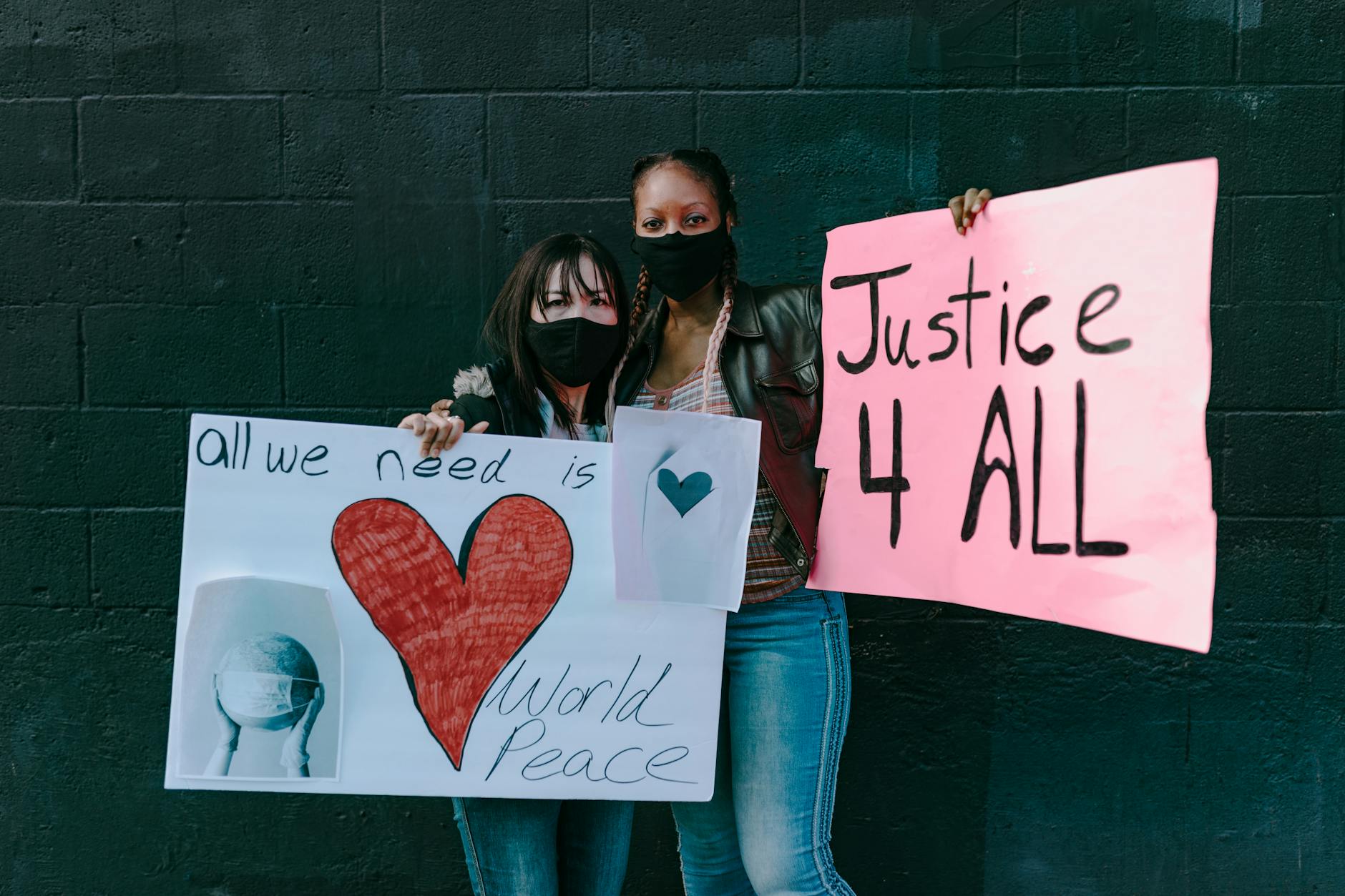
Crowd control police powers walk a fine line between maintaining public safety and upholding individual rights. Police must balance these priorities, ensuring their actions do not infringe upon constitutional protections. This delicate equilibrium is particularly evident during protests, where the right to peaceful assembly often clashes with the need to prevent violence or property damage. According to a report by the International Association of Chiefs of Police, effective crowd management requires a nuanced approach that respects both public order and civil liberties.
One critical aspect of this balance is the use of force. Police must employ the minimum necessary force to control crowds, escalating only when faced with imminent threats. This principle is rooted in the concept of proportionality, which guides officers in their decision-making processes. Failure to adhere to this standard can lead to allegations of excessive force, undermining public trust in law enforcement. Training programs often emphasize de-escalation techniques and non-lethal options to mitigate potential conflicts.
Another key consideration is the protection of free speech. Police must ensure that their actions do not stifle dissent or suppress legitimate expressions of opinion. This involves careful planning and coordination to create safe spaces for protesters while preventing disruptions. Clear communication with event organizers and community leaders can help achieve this goal. Ultimately, the success of crowd control efforts hinges on a commitment to fairness and transparency, fostering a sense of justice and accountability.
Public perception plays a significant role in shaping the effectiveness of crowd control measures. When police actions are seen as justified and proportional, they tend to garner public support. Conversely, perceived overreach can fuel resentment and escalate tensions. Building trust through community engagement and accountability mechanisms is essential. Police departments that prioritize these elements often find greater success in managing crowds while respecting individual rights.
Evolving strategies in modern policing
Modern policing has witnessed a significant evolution in crowd control strategies. Police forces worldwide now emphasize de-escalation techniques, recognizing that proactive communication can prevent situations from escalating. Officers receive training in verbal judo, a method that uses language to defuse tense situations. This shift reflects a broader understanding that physical force should be a last resort, not a first response.
Technology plays a pivotal role in contemporary crowd management. Body-worn cameras, for instance, have become standard equipment for many officers. These devices provide accountability and transparency, deterring both police misconduct and aggressive behavior from the crowd. According to a study by the Police Foundation, departments using body cameras reported a 50% reduction in complaints against officers.
Community engagement initiatives have also gained traction. Police departments now actively participate in community events, fostering trust and collaboration. This proactive approach helps build positive relationships, making crowd control efforts more effective. Experts argue that this strategy not only improves public safety but also enhances the overall effectiveness of policing.
Training in cultural competency has become essential. Officers learn to navigate diverse communities, understanding the nuances of different cultural backgrounds. This knowledge enables them to respond appropriately during crowd control situations, minimizing misunderstandings and conflicts. The focus is on building bridges rather than creating barriers.
Crowd control police powers are a critical tool for maintaining public safety and order during large gatherings, with the core aspects being legal authority, equipment usage, training, communication, and accountability. These powers strike a delicate balance between protecting public safety and upholding individual rights, ensuring that police can manage crowds effectively while minimizing harm. To navigate these situations safely, individuals should familiarize themselves with local laws and regulations regarding public assemblies and police powers. As societies continue to evolve, the conversation around crowd control and police powers will undoubtedly persist, shaping the future of public safety and civil liberties.
Need this answered for your specific case?
Get a flat-fee consultation with a verified U.S. immigration attorney. Engagement letter on every paid consult.
Related guides
This guide provides general legal information and does not create an attorney–client relationship. Information accurate as of August 2026. Always verify current USCIS guidance before acting.